
Where to Stay: Arusha vs Serengeti Lodges (2026)
By Alex Marlowe · May 16, 2026 · 16 min read
Tanzania safaris do not work as a single-base trip. Every itinerary that reaches the Serengeti is structurally a split-base calendar — one or two bookend nights at an Arusha coffee-belt lodge for the long-haul flight recovery and the dawn bush-plane handover, then three to six in-park nights at one or two Serengeti lodge clusters chosen against the wildebeest migration's location in that calendar week. The wrong base in either half does not ruin the trip; the right base in both halves materially changes what the trip delivers.
This guide is the two-half answer. It covers the Arusha bookend cluster (the four coffee-belt lodges that earn the one-night transit role, with the Kilimanjaro Airport transfer reality, the Arusha airfield onward-flight logistics and the rate band), then the four Serengeti luxury guide lodge clusters (central Seronera, northern Kogatende, western Grumeti, southern Ndutu) with the named properties we actually book in each, the migration-week timing logic and the rate-versus-amenity comparison. For the property-by-property Arusha hotel ranking see our The Best Luxury Arusha Lodges for 2026 (The Tanzania Safari Bookend); for the in-park Serengeti camp round-up see Best Luxury Camps in the Serengeti 2026: Six Migration-Aligned Stays Tested; for the country-wide overview see Best Luxury Safari Camps in Tanzania 2026.
Arusha — the bookend coffee-belt cluster
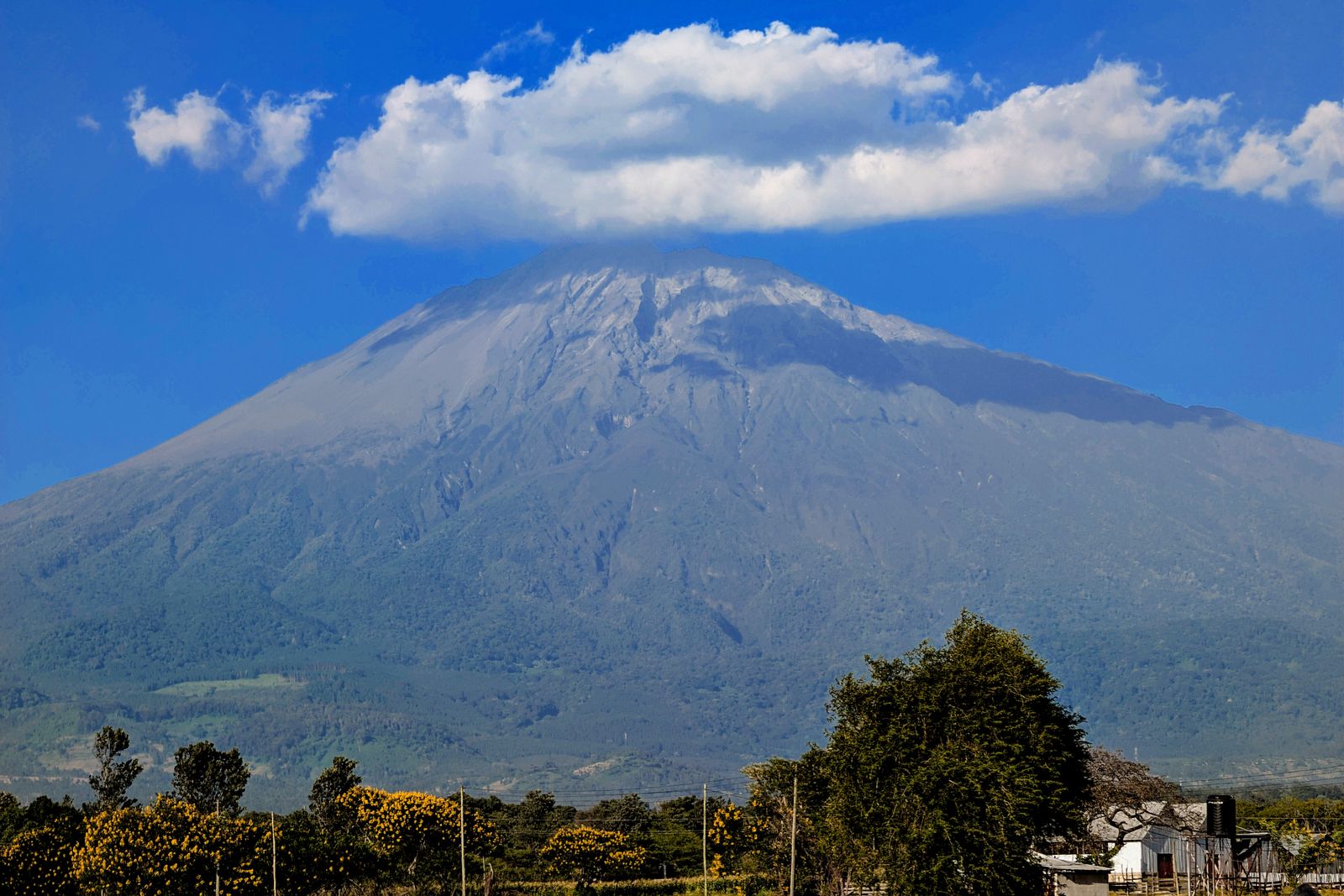
Arusha is not a destination in the safari sense. The town sits at 1,400m on the southern slope of Mount Meru, 46 kilometres west of Kilimanjaro International Airport (JRO — the textbook long-haul arrival from Amsterdam KLM 8.10pm, Doha Fly Qatar Airways from Doha 8.45am, Istanbul Turkish Airlines 4.55am, Addis Ababa Ethiopian 1.10pm) and a 20-minute drive east of the Arusha airfield (ARK — the textbook small-aircraft hub for the Coastal Aviation, Auric Air and Regional Air scheduled flights into the Serengeti airstrips at Seronera, Kogatende, Kusini, Grumeti and Lobo). The Arusha role is logistical: absorb one night between the long-haul international landing and the 8.30am dawn bush-plane onward, then absorb one outbound night between the afternoon bush-plane return and the late-evening international departure.
The four coffee-belt lodges we book sit 4 to 12 kilometres south of central Arusha in the cool coffee-plantation belt (1,250m, the gardens always green, the air noticeably fresher than the JRO highway corridor). All four route a private 60-to-75-minute Land Cruiser transfer from JRO on the inbound and a private 20-to-30-minute transfer to ARK on the outbound. None of them is a downtown hotel, and the downtown alternatives (the African Tulip, Mount Meru Hotel) do not earn the booking when the coffee-belt rate band sits at USD 320 to USD 780 per night full-board.
Legendary Lodge is the textbook first-choice booking for any Asilia, Nomad where to stay in Tanzania or Singita itinerary. The 11-cottage colonial farmhouse setting on a working 24-hectare coffee estate, the verandah lunches with the Meru forest view, the in-cottage fireplaces for the cool 1,400m evenings, and the safari-briefing professionalism (the property's relationship with the Asilia operations desk means the morning ARK handover is the smoothest in the cluster) put it ahead of the field at USD 540 to USD 780 per night full-board. The Legendary morning runs the 7am breakfast on the verandah for an 8am departure to ARK for the 9.30am Coastal Aviation onward — the textbook calendar.
Gran Meliá Arusha is the polished modern alternative the European chain operators default to. The 134-room Spanish-brand luxury hotel opened in 2019 on the slopes of Mount Meru, with the largest pool deck in the Arusha cluster, the in-house RedLevel concierge floor for the safari-bracket bookings, and the in-property spa for the post-flight recovery massage. Rates run USD 380 to USD 520 per night for a RedLevel room, breakfast included rather than full-board (the dinner programme is à-la-carte at the in-house Cape Town or Bali restaurants). The Gran Meliá morning runs the 6.30am breakfast service for a 7.30am ARK departure — slightly tighter than Legendary but the property handles the early-departure breakfast competently.
Onsea House is the small-and-personal alternative for travellers who want the owner-managed coffee-estate feel without the Legendary rate. Eight cottages on a 4-hectare coffee plot, the in-house Belgian-Tanzanian kitchen (the textbook five-course dinner at USD 65 per person), the morning verandah breakfast with the Mount Meru view, and a USD 320 to USD 420 per night full-board rate band that materially beats the Legendary equivalent on value. The Onsea trade-off is the slightly longer 25-minute ARK transfer (vs Legendary's 18 minutes) and the lighter concierge bench for the bush-plane handover.
Lake Duluti Lodge is the lakeside variant for travellers who want the outbound night at a different setting from the inbound. The 21-cottage property on the rim of the volcanic Lake Duluti crater, the morning canoe paddle on the lake (the textbook 90-minute pre-departure activity), and the more traditional lodge bar make it the right outbound-only booking when the inbound is at Legendary or Gran Meliá. Rates run USD 360 to USD 480 per night full-board. The trade-off is the 35-minute ARK transfer — the longest in the cluster — which makes the lodge the wrong inbound choice when the morning bush-plane departs at 9am.
Serengeti — the four in-park lodge clusters
The Serengeti National Park covers 14,750 km² across northern Tanzania, and the lodge cluster sorts by geography against the wildebeest migration's annual 800-kilometre loop. Choosing the right cluster against the calendar week is the single most consequential booking decision in any Tanzania safari, and the four cluster geographies serve materially different game-viewing programmes. Most three-to-five-night Serengeti trips sit at a single cluster; six-plus-night trips begin to split across two.
The central Seronera cluster (the Seronera Valley, the textbook airstrip for the year-round resident game) is the default first-Serengeti choice. The cluster sits at the geographic centre of the park and works in every month of the calendar because the Seronera River system supports a resident population of all the textbook large mammals (the elephants on the riverine forest, the lions on the kopjes, the leopards in the sausage trees, the cheetah on the open plains) regardless of the migration's location. The named lodges are Four Seasons Safari Lodge Serengeti (USD 1,400 to USD 2,100 per person per night full-board, the 77-room flagship with the only proper in-park infinity pool, the in-property children's programme, and the strongest spa in any Tanzanian park), Namiri Plains (the Asilia eight-tent flagship at USD 1,250 to USD 1,650 per person per night all-inclusive, the eastern Serengeti location built around the textbook cheetah-density habitat), and Dunia Camp (the Asilia all-female-guided ten-tent camp at USD 1,150 to USD 1,450 per person per night all-inclusive, the central Seronera location for the year-round game).
The northern Kogatende cluster (the Mara River corridor on the Tanzanian side of the migration's Kenya-Tanzania border crossing) is the textbook July-to-October booking. The wildebeest herds reach the Mara River on the Tanzanian side in late July and stage the textbook river crossings (the textbook Cottars or Kogatende crossing points) through August, September and into early October before the herds return south. The named lodges are Sayari Camp (the Asilia 15-tent flagship at USD 1,450 to USD 1,850 per person per night all-inclusive, the textbook northern Serengeti permanent camp with the year-round crossing-zone access), Lamai Serengeti (the Nomad Tanzania 12-suite property at USD 1,350 to USD 1,650 per person per night all-inclusive, the kopje-set lodge with the only proper plunge-pool suites in the northern cluster), and Lemala Kuria Hills (the Lemala 15-tent hillside property at USD 1,200 to USD 1,450 per person per night all-inclusive, the textbook value play in the cluster).
The western Grumeti cluster (the Grumeti River and the contiguous Grumeti Game Reserve to the west of the park) is the May-to-July booking for the textbook western-corridor migration leg, and the year-round booking for travellers paying the Singita rate band. The Grumeti Reserve is privately concessioned to Singita (the 350,000-acre lease, the off-road and night-drive privileges that the public park does not allow), and the named properties are Singita Sasakwa (the nine-cottage Edwardian-manor-style flagship at USD 3,200 to USD 4,400 per person per night all-inclusive, the in-property polo lawn, equestrian centre and stargazing observatory), Singita Faru Faru (the nine-suite contemporary safari lodge at USD 2,800 to USD 3,600 per person per night all-inclusive, the textbook Grumeti booking for travellers who want the Singita experience without the Sasakwa overage), and Singita Sabora (the nine-tent textbook tented-camp interpretation of the Grumeti at USD 2,800 to USD 3,400 per person per night all-inclusive). The Singita rate band is materially above the rest of the Serengeti field; the experience programme is also materially above it.
The southern Ndutu cluster (the short-grass calving plains on the Ndutu-Ngorongoro Conservation Area border) is the textbook December-to-March booking for the calving season. The wildebeest herds drop roughly 400,000 calves in a three-week window between mid-February and early March (the textbook calving peak), and the predator density on the Ndutu plains during the window is the highest of any Serengeti month. The named lodges are Lemala Ndutu Tented Camp (the seasonal nine-tent mobile camp at USD 950 to USD 1,250 per person per night all-inclusive, the textbook December-to-March booking that decamps in April), Olakira Migration Camp (the Asilia ten-tent migration-following mobile at USD 1,150 to USD 1,450 per person per night all-inclusive, the camp that physically moves between the Ndutu calving site in December-to-March and the Kogatende crossing site in July-to-October), and Kusini Camp (the Sanctuary Retreats 12-tent permanent camp at USD 1,050 to USD 1,350 per person per night all-inclusive).
The Ngorongoro Crater overnight — when it earns the booking
The Ngorongoro Crater (the 260 km² caldera 180 kilometres south-east of central Serengeti, the textbook one-day game drive into the densest single mammal population in East Africa) earns one or two crater-rim overnights on the textbook 5-plus-night Tanzania calendar. The two textbook crater-rim lodges are andBeyond Ngorongoro Crater Lodge (the 30-suite Maasai-inspired lodge at USD 2,400 to USD 3,200 per person per night all-inclusive, the textbook splurge booking for the crater leg, the only crater-rim property with the proper suite-scale and the in-property butler service) and The Highlands by Asilia (the eight-pod modernist camp at USD 1,150 to USD 1,450 per person per night all-inclusive, the textbook value play for travellers who want the crater overnight without the andBeyond rate). The textbook crater calendar is one night inbound from Arusha for the morning game drive on day two, then the afternoon onward drive to the Serengeti's southern Ndutu cluster (December-to-March) or the bush-plane onward from the Manyara airstrip to Seronera, Kogatende or Grumeti (April-to-November).
The decision matrix
Three rules of thumb. First, the migration's location in the calendar week sets the Serengeti cluster — Kogatende July-to-October, Ndutu December-to-March, central Seronera or western Grumeti the rest of the year. Second, the textbook bookend is one Arusha night inbound (Legendary or Gran Meliá) plus one Arusha night outbound (Legendary or Lake Duluti) plus three to six Serengeti nights at one or two clusters. Third, the Singita Grumeti booking is a different rate-band conversation from the rest of the Serengeti field — pricing roughly doubles, and the right Singita comparison is to Botswana's Mombo or South Africa's Royal Malewane rather than to Sayari or Namiri Plains. For the calendar-week timing question and the fly-versus-drive routing decision see our companion Tanzania Safari Routing: 3 vs 5 Nights, Fly vs Drive (2026).
Sources
- 1.Sayari Camp Northern Serengeti — published rates and crossing-zone access notes 2026 — Asilia Africa. Accessed 2026-05-16.
- 2.Lamai Serengeti — Nomad Tanzania published rates and kopje-suite details 2026 — Nomad Tanzania. Accessed 2026-05-16.
- 3.Singita Grumeti — Sasakwa, Faru Faru and Sabora lodge product, concession terms and rate band 2026 — Singita. Accessed 2026-05-16.
- 4.Four Seasons Safari Lodge Serengeti — published rates 2026 — Four Seasons. Accessed 2026-05-16.
- 5.Legendary Lodge Arusha — published rates and operator notes 2026 — The Legendary Collection. Accessed 2026-05-16.
- 6.Gran Meliá Arusha — published RedLevel rates 2026 — Meliá Hotels International. Accessed 2026-05-16.
- 7.andBeyond Ngorongoro Crater Lodge — rates and crater-rim programme 2026 — andBeyond. Accessed 2026-05-16.
- 8.Serengeti National Park — gate fees, off-road and night-drive rules — Tanzania National Parks Authority. Accessed 2026-05-16.
Frequently Asked Questions
Editor-in-Chief
Alex MarloweAlex Marlowe is Lucalvry's Editor-in-Chief. Twelve years covering hotels and travel for Condé Nast Traveller, Monocle, and Wallpaper. Based between London and Lisbon.
You Might Also Love
 Destinations
A Long Weekend in Copenhagen, Done Properly
Three nights in Copenhagen for the design-literate traveller — Villa Copenhagen, Geranium, the Louisiana day trip, and an honest take on Noma's closure and what's replaced it.
Jan 21, 2026 · 12 min read
 Destinations
The Quiet Kyoto Itinerary — Five Days, No Crowds (2026)
A five-day Kyoto plan structured entirely around avoiding the crowds — Fushimi Inari before 6am, the ryokan-versus-hotel question answered properly, and the kaiseki tradition explained for first-timers.
Jan 13, 2026 · 14 min read
 Destinations
Cinque Terre, But Make It Luxurious and Quiet
Cinque Terre's overtourism reality — and the Portovenere and Lerici case for the same Ligurian coast with better hotels and a fraction of the visitors. Plus the private boat tour that solves the rest.
Jan 06, 2026 · 12 min read