
Where to Stay in the Masai Mara (2026): Conservancy vs Reserve, Triangle vs North
By Alex Marlowe · May 16, 2026 · 15 min read
Editorial changelog · 1 entry
- 2026-05-16Initial publish — neighbourhood verdicts, price bands, and 'avoid' flags captured.
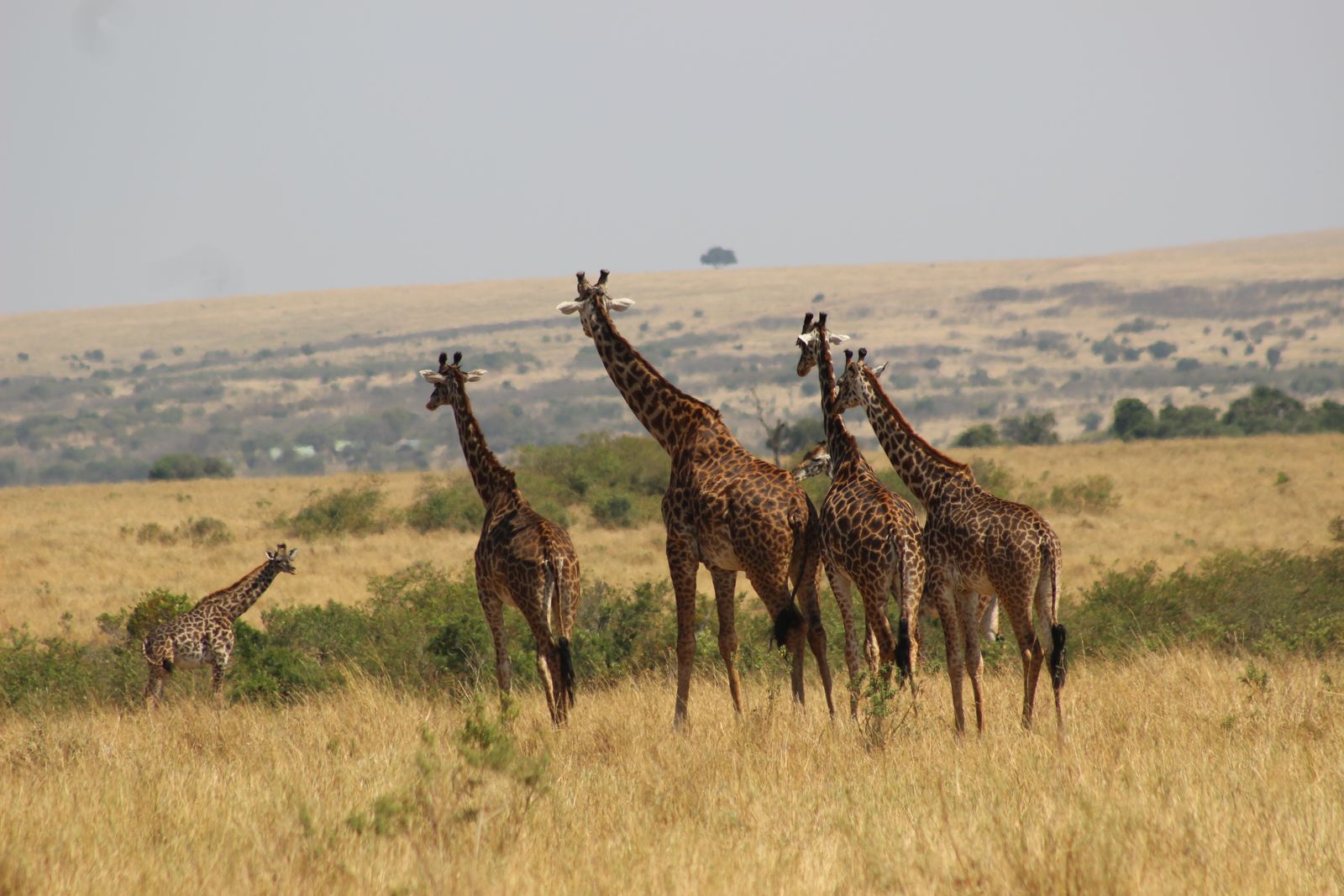
The Masai Mara has, in 2026, definitively sorted into five base clusters — three conservancies on the northern boundary (Olare Motorogi, Mara North, Naboisho), the Mara Triangle on the western edge of the National Reserve, and the central National Reserve itself — and the choice of cluster reshapes the game-viewing experience more than the choice of camp brand. The conservancy model (community-owned land leased to a fixed number of camps with strict vehicle-per-acre limits, off-road and night-driving permissions) is the structural reason game-viewing in the conservancies is meaningfully better than in the Reserve; the Mara Triangle is the Reserve's least-pressured sector with management entirely separate from the central Reserve; the central Reserve itself is the cheapest base with the highest vehicle density and the closest access to the Mara River crossing points.
This guide covers all five clusters — what each does well, what each does not do, the named camps we actually book at each, and the textbook 4-night, 6-night and 8-night Mara calendars for the most common safari shapes. For the property-by-property round-up with the rate-versus-amenity comparison, see our best-luxury-camps-masai-mara-2026. For the Mara-plus-Serengeti decision (when the trip should cross into Tanzania, when it should stay in Kenya) see our Masai Mara 5 Nights vs. Mara + Serengeti 7 Nights: When to Cross Into Tanzania.
The conservancy model — why it matters
Three structural facts shape the entire Mara base decision.
First, the vehicle density. The conservancies enforce a textbook one-vehicle-per-700-acres limit (Olare Motorogi runs at the strictest end of this band, Naboisho at the most generous), against the central National Reserve where no formal vehicle limit applies and the textbook morning game drive routinely encounters 8–15 other vehicles at a single big-cat sighting. The conservancy game drive on the same morning typically encounters 0–2 other vehicles at the same calibre of sighting. The vehicle-density gap is the single largest experiential difference between a conservancy stay and a Reserve stay.
Second, the off-road and night-driving permissions. The conservancies permit off-road driving (the textbook fix for following a lion pride into the bush rather than watching it disappear from the road) and night drives (the textbook leopard, serval, aardwolf and white-tailed mongoose window from 6.30pm to 9pm). The central Reserve prohibits both — vehicles must remain on the established road network, and gates close at 6.30pm with no exceptions. For travellers whose safari priority is the cat-sighting depth (the kill, the territorial dispute, the kitten interaction), the conservancy permissions are what justify the rate premium.
Third, the community ownership. The conservancies are leased from the surrounding Maasai community on long-term agreements, with the per-night lease fee built into the rate band (typically US$120–US$200 per guest per night, which the property collects and remits to the Maasai land-owner association). The textbook fix for travellers who want the Maasai cultural integration to be genuine rather than performative is the conservancy booking — the entire local team at the textbook conservancy camp is recruited from the surrounding community, the cultural programme is the camp's own community rather than a contracted village visit, and the conservation-fee allocation is transparent. The central Reserve does not have this structure.
Olare Motorogi conservancy — the big-cat-density base
Olare Motorogi sits on the northern boundary of the Reserve, 38,000 acres of community land leased to a fixed roster of camps — Mara Plains Camp, Kicheche Bush Camp, Porini Lion Camp, Olare Mara Kempinski, and the textbook in-conservancy day-trip access from neighbouring Mara North and Naboisho properties. The conservancy is the textbook big-cat-density base in the Mara — Olare Motorogi's territorial lion prides (the Moniko, Enkoyanai and Lemai prides), the resident cheetah coalitions, and the Mara North-Olare Motorogi leopard corridor make this the textbook morning game drive for travellers whose priority is cat sightings per drive.
The two textbook Olare Motorogi properties are Mara Plains Camp (US$2,000–US$2,500 per person per night all-inclusive, the seven-tent Great Plains Conservation flagship with the strongest game-viewing per drive in the Mara and the textbook research-grade conservation programme) and Kicheche Bush Camp (US$1,300–US$1,700 per person per night, the eight-tent longstanding small-camp with the strongest guide team in the conservancy and the textbook conservation-fee allocation per guest). The two camps deliver the same Olare Motorogi access at meaningfully different rate bands — Mara Plains for the lodge polish and the in-tent design, Kicheche for the guide-team-and-conservation model. Porini Lion Camp (US$900–US$1,200 per person per night) is the textbook value-tier Olare Motorogi booking for travellers who want the conservancy access at a sub-flagship rate.
What Olare Motorogi does not do is the Mara River crossing access without driving. The Mara River sits inside the central Reserve, 30–45 minutes south of the Olare Motorogi camps by road, and the textbook crossing morning is the 5.30am pre-dawn departure from the Olare camp for the 7am Mara River arrival to catch the typical 8.30–11am crossing window. The conservancy lease includes the textbook Reserve-day pass for in-conservancy guests, but the drive south is the textbook fix.
Mara North conservancy — the most-meaningful-mid-tier base
Mara North sits immediately west of Olare Motorogi, 74,000 acres of community land leased to a larger roster of camps — Saruni Mara, Karen Blixen Camp, Elephant Pepper Camp, Kicheche Mara Camp, Offbeat Mara Camp, Mara Bush Houses, and the textbook Mara North Conservancy walking programme. The conservancy is meaningfully larger and meaningfully less vehicle-pressured than Olare Motorogi, with the textbook morning game drive encountering 0–1 other vehicles at the typical cat sighting. The game-viewing per drive is slightly behind Olare Motorogi (the big-cat density is genuinely highest at Olare); the per-drive variety is meaningfully ahead (the textbook Mara North morning delivers elephant, giraffe, eland, plus the cats).
The textbook Mara North properties are Saruni Mara (US$1,400–US$1,800 per person per night all-inclusive, the six-cottage lodge with the strongest Maasai cultural-integration programme in the conservancy), Karen Blixen Camp (US$1,200–US$1,600 per person per night, the 22-tent slightly-larger camp with the textbook old-Hollywood-styling and the Mara River-frontage tents), and Elephant Pepper Camp (US$1,500–US$1,900 per person per night, the eight-tent Cheli & Peacock flagship with the textbook unfenced classic-tented-camp feel). All three deliver the same Mara North access at meaningfully different aesthetics — Saruni for the cultural programme, Karen Blixen for the river frontage, Elephant Pepper for the classic tented experience.
Naboisho conservancy — the walking-and-low-pressure base
Naboisho sits east of Mara North, 50,000 acres of community land leased to the smallest roster on the conservancy rail — Asilia's Naboisho Camp and Encounter Mara, the Basecamp Explorer's Eagle View, Ol Seki Hemingways, and the textbook in-conservancy walking-safari programme. Naboisho is the textbook walking-safari base in the Mara — the conservancy permits guided walking safaris (the textbook 6–10 kilometre morning walk with an armed Maasai guide, the textbook bush-breakfast halt) that neither the central Reserve nor the Olare Motorogi properties offer.
The textbook Naboisho properties are Asilia's Naboisho Camp (US$1,600–US$2,000 per person per night all-inclusive, the eight-tent Asilia flagship with the textbook research-grade conservation programme and the strongest in-camp food in the conservancy) and Ol Seki Hemingways (US$1,400–US$1,800 per person per night, the 12-tent Hemingways-branded camp with the textbook honeymoon-suite tent product and the strongest sundowner deck). The two deliver the Naboisho access at meaningfully different scales — Asilia for the small-camp intimacy, Ol Seki for the slightly-larger-camp polish.
Mara Triangle — the cheapest-Reserve-access base
The Mara Triangle is the western section of the National Reserve, separated from the central Reserve by the Mara River and managed by the Mara Conservancy (a separate not-for-profit, distinct from the Narok County government that manages the central Reserve). The Triangle is the textbook lowest-vehicle-pressure Reserve sector — the textbook morning game drive in the Triangle encounters 2–4 other vehicles at the typical sighting, against the central Reserve's 8–15. The Triangle does not permit off-road driving or night drives (the same Reserve rules apply), but the vehicle density is meaningfully closer to the conservancy experience than to the central Reserve.
The two textbook Mara Triangle properties are Angama Mara (US$2,200–US$2,800 per person per night all-inclusive, the 30-glass-fronted-tent escarpment flagship with the most spectacular setting of any African safari camp — the 200-degree view across the Triangle from the Oloololo escarpment is the trip's defining photograph) and Sanctuary Olonana (US$1,500–US$1,900 per person per night, the 14-tent river-frontage camp on the Mara River with the textbook hippo-pod access from the dining deck). Both deliver Mara Triangle game-viewing access without the central-Reserve vehicle pressure, at meaningfully different price bands and aesthetics — Angama for the escarpment view and contemporary design, Olonana for the river-frontage classical-camp feel.
The central Reserve — the budget base
The central National Reserve sector (the area south of the Mara River and east of the Sand River) is the textbook budget Mara base, with the highest vehicle density, the lowest rate band (US$400–US$900 per person per night at the textbook Reserve-only properties) and the closest access to the Mara River crossing points. The textbook central-Reserve properties are Governors' Camp (the 1972 longstanding 35-tent flagship on the Mara River, US$600–US$900 per person per night), Sarova Mara Game Camp (the 75-tent value-tier Reserve-only camp, US$400–US$650), and the Mara Serena Safari Lodge (the 75-room lodge-style property, US$420–US$680).
For luxury travellers in 2026, no central-Reserve-only property earns the textbook booking — the vehicle pressure and the in-camp scale (35-tent, 75-tent, 75-room) compromise the experience meaningfully against the conservancy alternatives at the same or marginally higher rate. The textbook exception is the river-crossing-week traveller who specifically wants Governors' Camp's textbook Mara River-frontage location for the crossing morning — a one-night Reserve overnight inserted into a conservancy stay for the textbook crossing-day proximity is the value play.
The textbook 4-night, 6-night, 8-night calendars
The 4-night Mara minimum is the textbook entry-level safari calendar, and the right answer is a single-conservancy base. The textbook 4-night booking is four nights at Mara Plains Camp on Olare Motorogi (the big-cat-density base, the textbook morning game drive, the in-conservancy lunch, the afternoon drive, the night drive on alternating evenings, the day-trip into the Reserve for the river-crossing morning if the calendar coincides with the August-October window). The 4-night total delivers eight game drives plus the cultural programme — the textbook minimum for a serious Mara experience.
The 6-night Mara is the textbook two-conservancy split. The textbook configuration is three nights Olare Motorogi (Mara Plains or Kicheche) for the big-cat-density base, followed by three nights Mara North (Saruni or Elephant Pepper) for the variety-and-walking base. The two-conservancy split eliminates the single-property fatigue, delivers two genuinely different game-viewing rotations, and the textbook inter-conservancy drive (45 minutes from Olare to Mara North) is itself a textbook morning game drive with the textbook bush-breakfast halt en route.
The 8-night Mara is the textbook three-cluster split — three nights Olare Motorogi for big-cat density, three nights Mara Triangle for the escarpment-and-river-frontage base, two nights central Reserve for the crossing-week proximity (August-October only). For non-crossing-season weeks the 8-night textbook collapses back to the three-cluster Olare-Mara-North-Naboisho rotation. Beyond eight nights the textbook fix is the cross-border extension to the Serengeti or the in-country extension to Laikipia or Samburu, not a longer Mara.
For the named-property round-up see our best-luxury-camps-masai-mara-2026. For the Mara-or-Serengeti decision see our Masai Mara 5 Nights vs. Mara + Serengeti 7 Nights: When to Cross Into Tanzania.
Sources
- 1.Olare Motorogi Conservancy — community lease, vehicle limits and traversing rights — Olare Motorogi Trust. Accessed 2026-05-16.
- 2.Mara North Conservancy — 74,000-acre community land lease and conservancy fee allocation — Mara North Conservancy. Accessed 2026-05-16.
- 3.Naboisho Conservancy — walking safari programme and 50,000-acre lease terms — Naboisho Conservancy Trust. Accessed 2026-05-16.
- 4.Mara Conservancy — Mara Triangle management, not-for-profit operations and ranger programmes — Mara Conservancy. Accessed 2026-05-16.
- 5.Kenya Wildlife Service — Maasai Mara National Reserve gate fees and operating rules — Kenya Wildlife Service. Accessed 2026-05-16.
Frequently Asked Questions
Editor-in-Chief
Alex MarloweAlex Marlowe is Lucalvry's Editor-in-Chief. Twelve years covering hotels and travel for Condé Nast Traveller, Monocle, and Wallpaper. Based between London and Lisbon.
You Might Also Love
 Destinations
A Long Weekend in Copenhagen, Done Properly
Three nights in Copenhagen for the design-literate traveller — Villa Copenhagen, Geranium, the Louisiana day trip, and an honest take on Noma's closure and what's replaced it.
Jan 21, 2026 · 12 min read
 Destinations
The Quiet Kyoto Itinerary — Five Days, No Crowds (2026)
A five-day Kyoto plan structured entirely around avoiding the crowds — Fushimi Inari before 6am, the ryokan-versus-hotel question answered properly, and the kaiseki tradition explained for first-timers.
Jan 13, 2026 · 14 min read
 Destinations
Cinque Terre, But Make It Luxurious and Quiet
Cinque Terre's overtourism reality — and the Portovenere and Lerici case for the same Ligurian coast with better hotels and a fraction of the visitors. Plus the private boat tour that solves the rest.
Jan 06, 2026 · 12 min read