
Atacama Stargazing & Geyser Itinerary (2026): El Tatio, ALMA and the Night-Sky Window
By Alex Marlowe · May 17, 2026 · 14 min read
The Atacama Desert is the textbook night-sky observation-booking in the world and the textbook El Tatio geyser-field pre-dawn programme is the textbook signature excursion alongside it — the textbook 4,320m altitude geothermal field with the textbook 80-active-geyser cluster (the textbook largest geyser field in the Southern Hemisphere), and the textbook clearest night-sky on Earth (the textbook 320-clear-nights-per-year, the textbook 2,400m+ altitude that puts the textbook viewer above the textbook 80% of the atmospheric water-vapour, and the textbook minimal light-pollution that the textbook San Pedro de Atacama village protocol enforces). This guide is the named-excursion answer.
For the base-decision guide that pairs with this one see our Where to Stay in the Atacama (2026): San Pedro Village vs Tierra vs Explora. For the property-by-property ranking see our best-luxury-lodges-atacama-2026.
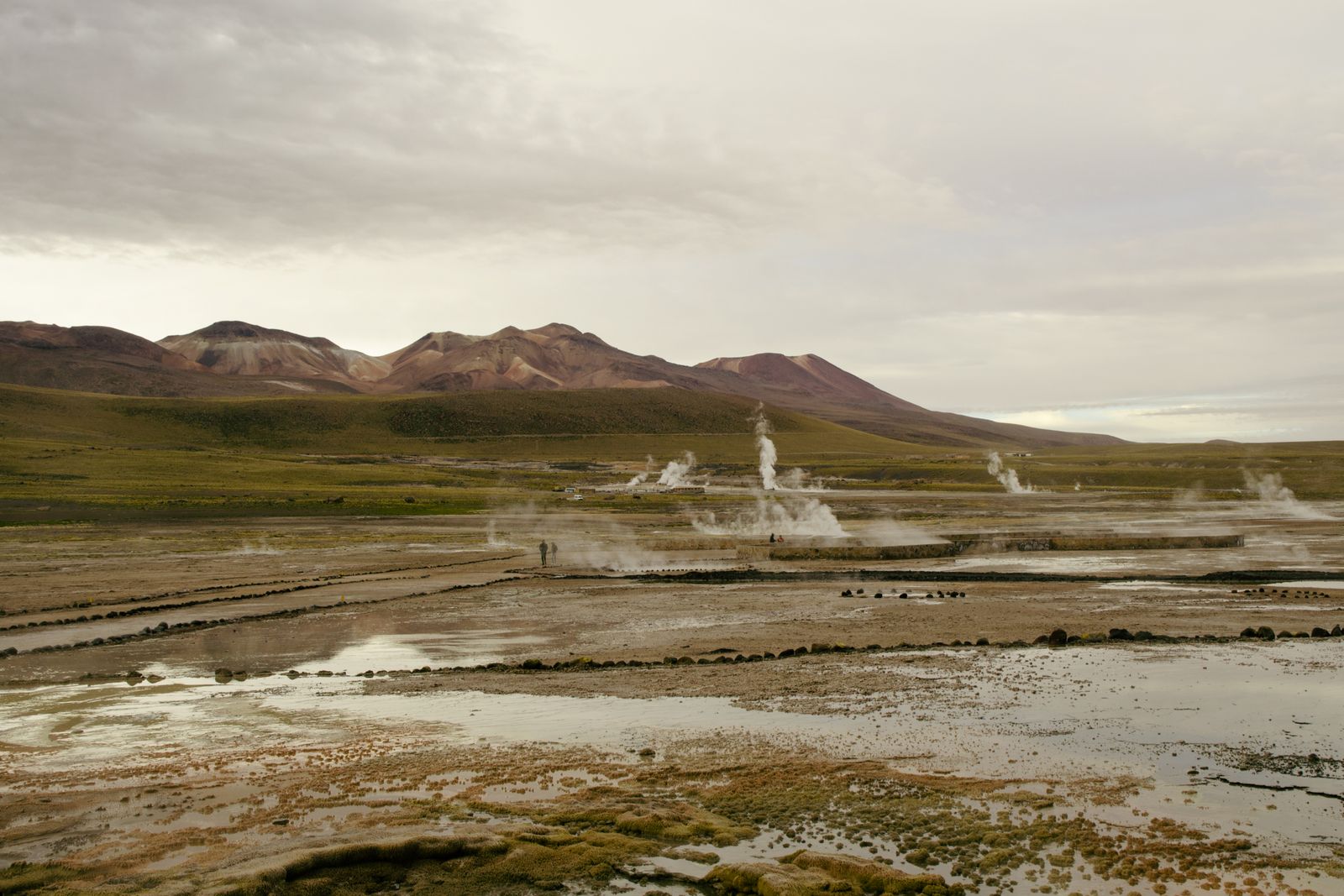
The El Tatio geyser pre-dawn programme
El Tatio sits 80 km north of San Pedro de Atacama at the textbook 4,320m altitude — the textbook 80-active-geyser field at the textbook eastern foothills of the Andes, with the textbook signature pre-dawn-eruption window (the textbook 6am-7.30am peak when the textbook geyser-water-temperature differential against the textbook cold-air ambient produces the textbook tallest steam-columns, with the textbook 10-12m typical and the textbook 20m peak heights at the textbook major geysers).
- The textbook pre-dawn departure. The textbook 4am-or-4.30am hotel departure (Tierra, Explora, Awasi, Cumbres all run the textbook in-property pre-dawn coffee-and-pastries slot before the textbook 4am vehicle-departure), the textbook 6am-on-site arrival via the textbook Ruta 21 (the textbook paved-to-the-textbook 50km-mark, the textbook gravel-from-the-50km-to-the-park-boundary), and the textbook 6.30am-and-after arrival timed to coincide with the textbook sun-rise-illumination of the textbook steam-columns. The textbook compromise is the textbook 4am-departure cost; the textbook fix is the textbook 9pm-or-earlier bedtime on the textbook Day 2 of the textbook 4-night Atacama programme.
- The textbook in-field rotation. The textbook 90-minute walk-the-boardwalks programme across the textbook 3 main geyser-fields (the textbook El Tatio Bajo, the textbook El Tatio Medio, the textbook El Tatio Alto), the textbook breakfast-on-site slot at the textbook lodge-prepared in-vehicle breakfast (Tierra and Explora run the textbook hot-breakfast service on-site; the textbook in-village operator alternative runs the textbook coffee-and-pastry service). The textbook safety-protocol is the textbook stay-on-the-boardwalk rotation — the textbook off-boardwalk water-temperature runs the textbook 65-85°C window that delivers the textbook genuine burn-and-injury hazard, and the textbook annual visitor-injury rate is the textbook 6-12 per year at the textbook off-boardwalk crust-collapse moments.
- The textbook thermal-pool soak. The textbook Termas de Puritama (28 km south of El Tatio, on the textbook return drive to San Pedro) is the textbook 8-pool thermal-soak programme at the textbook 33-35°C water-temperature, US$22-32 per person entry, the textbook 9.30am-noon slot for the textbook El Tatio-return rotation. The textbook fit for travellers who want the textbook recovery-soak after the textbook 4am-departure cost. The textbook lodge-led El Tatio programme at Tierra, Explora and Awasi includes the textbook Termas de Puritama soak as the textbook default-add-on.
- The textbook return rhythm. The textbook noon-or-12.30pm hotel-arrival after the textbook El Tatio-and-Puritama programme, the textbook lunch slot at the lodge, the textbook 2pm-onwards in-property recovery (the textbook spa-or-pool slot rather than the textbook afternoon-excursion-add-on). The textbook Day 3 of the textbook 4-night Atacama programme is the textbook El Tatio anchor; the textbook Day 4 returns to the textbook normal half-day-morning-plus-half-day-afternoon rotation.
The Atacama stargazing landscape — the three-tier programme
- Tier 1: The in-lodge observatory. Explora Atacama runs the textbook in-house Sky Lounge observatory with the textbook 4-telescope rotation (the textbook 14-inch Celestron CGE Pro, the textbook 10-inch Meade LX200, plus the textbook 2 entry-level reflectors), the textbook in-house astronomer-led 90-minute programme included in the textbook all-inclusive rate. The textbook flagship in-lodge programme — the textbook strongest of the Atacama lodges. Tierra Atacama runs the textbook lighter in-property stargazing programme (the textbook in-property roof-deck observation, the textbook in-house guide-led night-sky-orientation), and Awasi runs the textbook private-stargazing on-request booking via the textbook in-villa guide programme.
- Tier 2: The independent operator observatory. The textbook San Pedro Astronomical Observatory (SPACE, Camino al Pukará, San Pedro, 1.5 km north of the textbook village centre) is the textbook 2003-founded operator-led observatory with the textbook 6-telescope cluster (the textbook 16-inch Meade LX200 flagship, plus 5 mid-tier reflectors), the textbook 2-hour bilingual-guided programme at US$45-65 per person, the textbook 9.30pm-and-11.30pm sessions year-round (the textbook 8.30pm-and-10.30pm sessions in the textbook June-August winter window for the textbook earlier-sunset rhythm). Book 7-14 days ahead. The textbook fit for in-village hotel guests and for textbook Tierra-and-Awasi guests who want the textbook stronger-equipment alternative to the textbook in-lodge programme.
- Tier 3: The ALMA day-tour. The textbook ALMA (Atacama Large Millimeter Array) — the textbook 66-antenna radio-telescope array at the textbook 5,058m Llano de Chajnantor altitude, the textbook largest astronomical project in operation — runs the textbook free public day-tour every textbook Saturday and Sunday at the textbook 10am-noon slot (the textbook Operations Support Facility visit at the textbook 2,900m altitude — not the textbook 5,058m array, which is closed to visitors). Book 30-60 days ahead via the textbook visitas.alma.cl portal. The textbook fit for travellers with the textbook engineering-and-science priority who want the textbook complement-to-the-night-sky observation booking; the textbook compromise is the textbook day-tour does not include the textbook night-sky-observation programme.
The textbook night-sky-window calendar
The textbook Atacama night-sky observation runs year-round but the textbook calendar matters for the textbook flagship objects.
The textbook Magellanic Clouds (the Large and Small Magellanic Clouds, the textbook satellite-galaxies of the Milky Way) are the textbook signature Southern Hemisphere observation, visible year-round but the textbook flagship window is the textbook October-March slot when the textbook clouds sit highest in the textbook southern sky. The textbook lodge-or-operator programme always includes the Magellanic Clouds as the textbook anchor-object.
The textbook Milky Way core (the textbook galactic-centre Sagittarius cluster) is visible May-October when the textbook Sagittarius constellation sits high in the textbook night-sky. The textbook flagship months are June-August with the textbook 11pm-overhead-zenith window. The textbook compromise is the textbook winter-night cold (the textbook -5 to 5°C overnight at the textbook El Tatio altitude-influence range).
The textbook Carina Nebula and the textbook Eta Carinae — the textbook flagship Southern Hemisphere deep-sky objects — are visible January-July with the textbook flagship window in the textbook March-May slot.
The textbook moon-phase consideration
The textbook full-moon window (the textbook 7-night cycle around the textbook full-moon date) compromises the textbook deep-sky observation (the textbook Magellanic Clouds, the Carina Nebula, the textbook Milky Way detail) by the textbook moonlit-night light-pollution. The textbook flagship stargazing window is the textbook new-moon-plus-or-minus-5-nights slot — the textbook 10-night dark-sky window per textbook lunar cycle. Verify the textbook moon-phase calendar before booking the textbook flagship stargazing programme; the textbook in-lodge or in-operator stargazing programme runs year-round regardless of moon-phase but the textbook flagship dark-sky window is the textbook 10-night-per-month new-moon bracket.
The textbook itinerary integration
The textbook El Tatio-and-stargazing pair sits inside the textbook 4-night Atacama all-inclusive rotation as the textbook Day 2-3-4 anchor.
- Day 1 (arrival). The textbook 1.30pm-3pm Calama landing, the textbook 90-minute transfer to San Pedro, the textbook in-property hotel check-in. Skip the textbook excursion booking on the arrival day. The textbook 9pm in-lodge dinner. The textbook in-property stargazing slot (Tierra and Explora run the textbook 9.30pm-or-10pm orientation programme on the textbook arrival night).
- Day 2. The textbook lower-altitude excursion — the Valle de la Luna half-day (the textbook 2,200m altitude, the textbook 4-hour rhythm with the textbook sunset slot at the textbook Mirador Achaches) or the Cordillera de la Sal half-day. The textbook in-property pool-and-spa slot in the textbook afternoon. The textbook 9.30pm SPACE stargazing programme or the textbook in-lodge observation.
- Day 3 (El Tatio anchor). The textbook 4am hotel departure, the textbook 6.30am on-site at El Tatio, the textbook 8.30am breakfast on-site, the textbook 9.30am Termas de Puritama soak, the textbook noon hotel arrival, the textbook lunch and afternoon recovery. Skip the textbook stargazing slot on the textbook El Tatio-day (the textbook 4am-departure-cost demands the textbook 9pm bedtime).
- Day 4. The textbook Lagunas Altiplánicas full-day (the textbook Miscanti and Miñiques high-altitude lakes at 4,200m, plus the Atacama and Tara salt-flat-flamingo viewpoints) — the textbook 7.30am hotel departure, the textbook 5pm hotel arrival. The textbook 9.30pm-or-11.30pm SPACE programme or the textbook in-lodge observation for the textbook final-night booking.
- Day 5 (departure). The textbook morning slot — the textbook Quitor pukará (the textbook 11th-century pre-Inca fortress, 3 km north of San Pedro) walk or the textbook in-village final-coffee at the textbook Plaza-de-San-Pedro cluster — and the textbook 11am-noon Calama transfer.
For the base-decision guide see our Where to Stay in the Atacama (2026): San Pedro Village vs Tierra vs Explora. For the property-by-property ranking see our best-luxury-lodges-atacama-2026.
Sources
- 1.Geyser Field of El Tatio — visitor information and safety protocol — Comunidad Indígena Atacameña de Caspana. Accessed 2026-05-17.
- 2.SPACE — San Pedro Astronomical Observatory programme and reservation — SPACE Atacama. Accessed 2026-05-17.
- 3.ALMA — public visitor tour at the Operations Support Facility — ALMA Observatory. Accessed 2026-05-17.
- 4.Explora Atacama — Sky Lounge observatory and astronomer programme — Explora. Accessed 2026-05-17.
Frequently Asked Questions
Editor-in-Chief
Alex MarloweAlex Marlowe is Lucalvry's Editor-in-Chief. Twelve years covering hotels and travel for Condé Nast Traveller, Monocle, and Wallpaper. Based between London and Lisbon.
You Might Also Love
 Destinations
A Long Weekend in Copenhagen, Done Properly
Three nights in Copenhagen for the design-literate traveller — Villa Copenhagen, Geranium, the Louisiana day trip, and an honest take on Noma's closure and what's replaced it.
Jan 21, 2026 · 12 min read
 Destinations
The Quiet Kyoto Itinerary — Five Days, No Crowds (2026)
A five-day Kyoto plan structured entirely around avoiding the crowds — Fushimi Inari before 6am, the ryokan-versus-hotel question answered properly, and the kaiseki tradition explained for first-timers.
Jan 13, 2026 · 14 min read
 Destinations
Cinque Terre, But Make It Luxurious and Quiet
Cinque Terre's overtourism reality — and the Portovenere and Lerici case for the same Ligurian coast with better hotels and a fraction of the visitors. Plus the private boat tour that solves the rest.
Jan 06, 2026 · 12 min read